

Healthy Food and Drinks During Pregnancy for Women in Malaysia
A healthy diet in pregnancy is a varied everyday diet, not a special menu and not a cue to eat for two. Official NHS guidance is to take a daily folic acid supplement as advised, drink water as your main drink, limit caffeine, and be careful with a short list of higher-risk foods, then confirm any personal plan with your doctor or midwife in Malaysia.
What a balanced pregnancy plate actually looks like
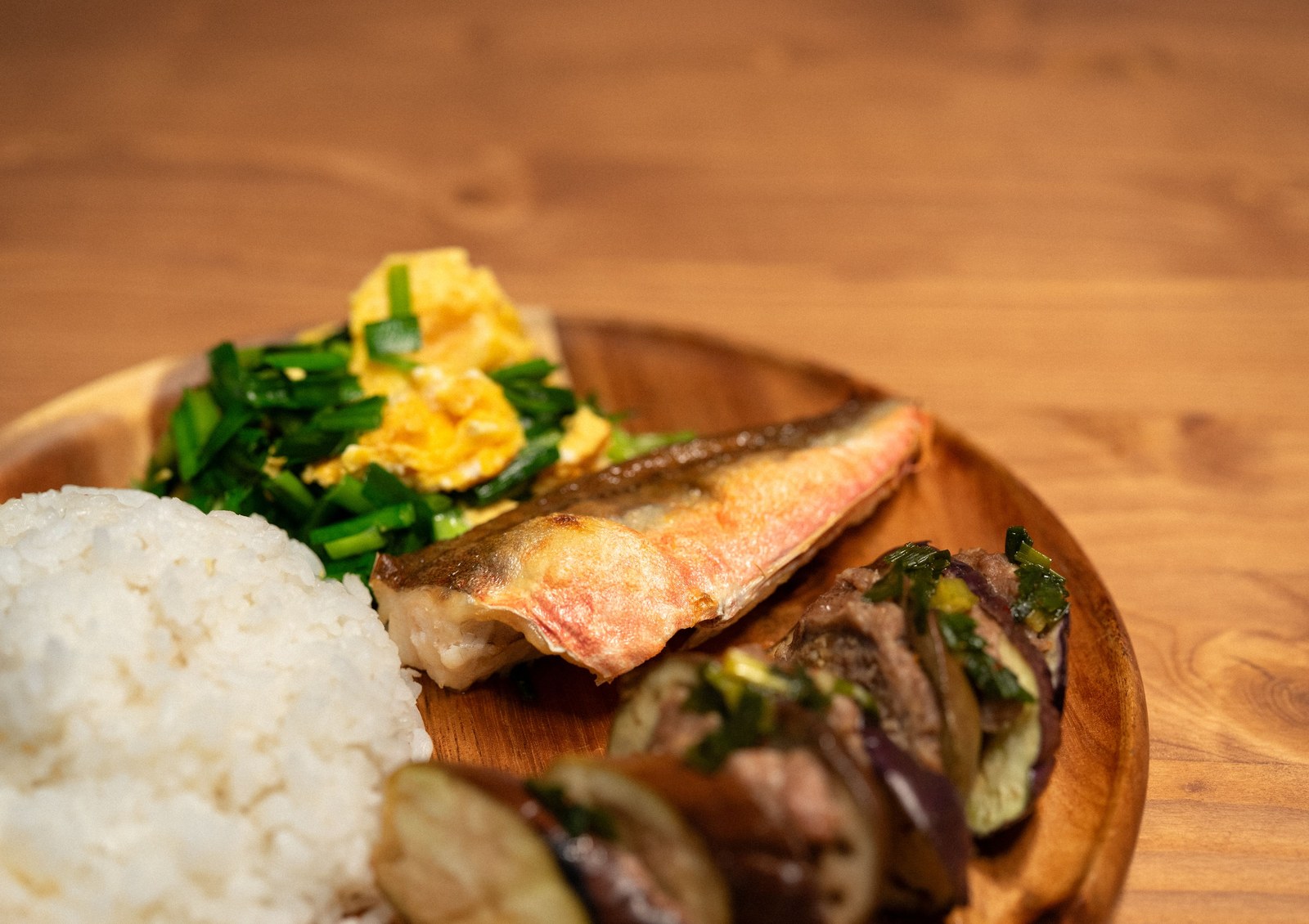
Official NHS advice on healthy eating in pregnancy is straightforward: you do not need to eat for two, even if you are expecting twins, and you only need about 200 extra calories a day in the final three months, roughly two slices of wholemeal toast or a small sandwich. You still need a variety of everyday foods, including fruit and vegetables, starchy foods, protein foods and dairy or alternatives. Use official advice and your clinician’s plan rather than doubling portions from week one. For a Malaysia-focused walk-through of everyday food groups, see Efferty Mama’s guide to healthy food during pregnancy. Treat any calorie or weight-gain figure you read online as something to check against current official guidance and your own antenatal notes.
Cover folate, iron, calcium and fibre, then confirm supplements
Food comes first, but pregnancy is one of the times official guidance also recommends a specific supplement. The NHS page on vitamins and supplements in pregnancy says to take 400 micrograms of folic acid every day from when you start trying to conceive, ideally for three months beforehand, until 12 weeks of pregnancy, because folic acid helps reduce the risk of neural tube defects such as spina bifida. Leafy vegetables, beans, peas and some fortified foods contain folate, but the NHS still advises the daily supplement rather than relying on food alone. Iron-rich foods, calcium from pasteurised dairy or other planned sources, and fibre from fruit, vegetables and wholegrains help with common issues such as tiredness and constipation, but doses and extra vitamins should be confirmed with a pharmacist, doctor or midwife. Some people need a different folic acid dose. This article does not rank named supplements or promise a result from any product.
Make water your default drink, and keep caffeine in a clear limit
Plain water should be the default, both for hydration and as a simple way to avoid a habit of sweet drinks. Pasteurised milk can contribute protein and calcium if you tolerate it. The NHS list of foods to avoid in pregnancy says you should not have more than 200 mg of caffeine a day, counting coffee, tea, cola, some energy drinks and chocolate together. Unpasteurised milk is one of the drinks to avoid because of the risk of harmful bacteria such as Listeria. Alcohol is not a safe everyday choice in pregnancy. Packaged cordials and sweet bubble teas can add a lot of sugar, which is a reason to keep them occasional rather than daily. Fresh fruit is useful, but large glasses of fruit juice still add sugar without the same fullness as whole fruit. Efferty Mama’s notes on drinks during pregnancy walk through everyday drink choices in that same order: water first, then milk and other options, with a list of drinks to be careful with. If morning sickness makes full meals difficult, smaller, more frequent snacks and sips of water are a practical start; ask your clinician before you add any new supplement drink.
An official NHS short film on supplements in pregnancy, including folic acid. Use it as background, then follow the advice of your own doctor or midwife.
Be careful with a short list of higher-risk foods
The same NHS foods-to-avoid page is the list to follow for higher-risk items: raw or undercooked meat, eggs and shellfish; some types of unpasteurised dairy; and certain fish that are high in mercury. Cooked fish, thoroughly cooked eggs, and pasteurised dairy are a different question from raw or barely cooked versions of the same foods. If you are unsure about a stall, a buffet or a fish name, choose a thoroughly cooked alternative. Wash fruit and vegetables. None of these steps replaces antenatal care or treats a pregnancy complication. If you have bleeding, severe vomiting, or a diagnosed condition such as gestational diabetes, follow the plan from your clinic.
If you are still planning a pregnancy, start with folate and a clear cycle record
The folic acid advice above starts before conception, which is the main nutritional reason to think about food and supplements while you are still planning. It can also help to know the usual length of your menstrual cycle, because that is how many clinicians date a pregnancy and discuss the fertile window. A common official description is that cycles of about 21 to 35 days can be typical, and that a consistent personal pattern matters more than a single textbook number. For a longer walk-through of cycle phases, see Efferty Mama’s guide to the menstrual cycle and the fertile window. Food and drinks cannot guarantee a pregnancy, and this article does not rank clinics or fertility products. If periods are very irregular, very painful, or you have been trying to conceive without success, that is a reason to see a doctor, not to add more informal advice from the internet.